


I present to you my print and poster buying guide, prints and posters are key elements for personalizing your living space. Whether in a living room, bedroom, or even an office, choosing and maintaining your prints properly can transform the atmosphere of any space. In this article, I will guide you through the selection, arrangement, and optimal care of these wall decorations.
Choosing your prints: tips and tricks
Choosing your prints can sometimes seem daunting with the multitude of styles and graphics available. To start, think about the atmosphere you want to create. Do you want a soft and soothing atmosphere, or rather a dynamic and colorful one? This initial reflection will help you determine the style that suits you best.
It is also important to take into account the printing materials used. High-quality prints are often printed on thick paper, resistant to fading. This guarantees not only long durability, but also vibrant colors that will not fade over time.
Assessing the right dimensions
When you choose your prints, size is a crucial element to consider. A print that is too small could get lost visually, while a print that is too large could overwhelm the surrounding space. It is therefore wise to measure the walls where you want to install your prints beforehand.
For maximum impact, think about playing with several print formats. Mixing different sizes can create an artistic and interesting effect on your wall. Try to juxtapose small prints with larger ones for a balanced result.
Harmonious themes and colors
Your wall decoration should harmonize with the rest of your room. To do this, opt for prints whose colors and themes complement the existing palette of your furniture or accessories. If your room already has many colors, prints in neutral tones can add a touch of elegance.
On the other hand, if the walls and furniture are of a sober color, prints marked by bright colors or bold patterns can bring a welcome vitality. The important thing is to maintain a balance without visual overload.
How to arrange your prints effectively
Once chosen, comes the time to arrange your prints with care. Knowing where and how to position each print can make all the difference. Before hanging anything, try to do some trials on the floor to visualize the layout. This will allow you to avoid measurement errors once on the wall.
The use of templates cut to the dimensions of your prints can be particularly useful here. You can temporarily attach them to the wall with adhesive tape to test different configurations before making a final decision.
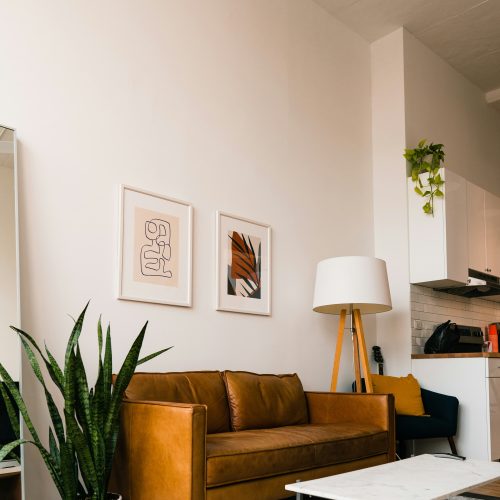
Creating attractive compositions
The grouping of prints should follow a certain visual rhythm. Think about using the rule of thirds, leaving an equal space between each piece. Varying horizontally and vertically allows you to add interest and maintain balance.
Another essential aspect is the framing of prints. Framing your posters not only adds a professional finish, but also helps protect against dust and potential damage. Choose a frame that complements the overall aesthetic of the room.
Suitable lighting
The lighting for prints plays a key role in best displaying your works. Spotlights directed at your prints or discreet LED lights can draw the eye and accentuate their brilliance. Make sure that the light does not create annoying reflections that could hide the artwork.
Avoiding exposing your prints to direct sunlight is also wise, as this risks accelerating the fading even of the most resistant prints. Strategic placement will avoid this drawback while combining the benefits of good accent lighting.
Maintaining your prints for increased longevity
Maintaining your prints properly is crucial to maximize their lifespan. Regular maintenance including a gentle dusting will help preserve their dazzling appearance over time.
When it comes to cleaning frames, a soft slightly damp cloth is often enough. However, avoid using chemicals that could degrade the material.
Checking the condition of the fixings
Regularly ensure the solidity of the wall fixings. Over time, they can loosen, which can lead to unforeseen accidents. Recheck and tighten each device if necessary to ensure that your prints remain perfectly aligned.
If you use rails or specific hangers, an occasional check-up is just as important. They must maintain a good grip and show no signs of weakness.
Protection against humidity
Humidity can be a real enemy. If possible, maintain moderate humidity in the room where your prints are located to prevent mold and avoid the paper from warping. Investing in a small dehumidifier could be worth it if the ambient humidity is high.
Also make sure that the prints are hung away from strong heat sources, such as radiators, which can eventually weaken the paper or soften the glues used.
Improving your collection: personalization and expansion
For those who like to change their decoration regularly, poster personalization around seasonal themes can be fun. Creating your own visual calendar based on personal events or desires will make the wall art much more meaningful to you.
Why not try printing some of your own photos or original works? Many companies currently offer flexible custom printing options, which even allow you to combine different innovative materials.
Different types of paper and inks
Understanding the differences between printing materials can enrich your experience as a collector. Some textured papers add extra depth to images and influence the way they capture light.
As for inks, some formulations are designed to be ultra durable, while others prioritize distinct glossy or matte finishes. This gives you more options depending on the desired final result.
Finding inspiration
Finally, do not neglect continuous learning in design and visual art. Regular visits to local galleries or lesser-known websites can fuel your creativity and give birth to new ideas.
Don’t forget that your home is a personal sanctuary where you can fully explore various cultural aspects. Make it a unique reflection of your personality and the stories you’ve lived, especially through the diverse riches offered by creations that are now easily accessible to us all!
What type of paper is recommended for posters?
For long-lasting quality posters, it is advisable to choose thick, fade-resistant paper. Opting for textured paper can add an extra dimension to your images. Furthermore, some specialty papers are treated for optimal ink preservation, thus ensuring maximum color fidelity.
How can I protect my posters from moisture?
There are several approaches to ensure your posters are protected from moisture:
- Use a dehumidifier to control the room’s humidity level.
- Keep your posters away from direct heat sources such as radiators.
These preventive measures will help avoid damage caused by excess moisture or sudden temperature fluctuations.
What lighting is best for highlighting my posters?
For an optimal visual result, use adjustable spotlights to direct the light precisely onto your posters. Opt for LED bulbs that provide neutral white light, harmoniously balancing shadow and light subtly cast on the enhanced subject!
I hope you found this article helpful and that you now know how to properly choose, maintain, and display your posters ! See you soon




